
RESOURCES ON %%MISSING PEOPLE%%
If someone you care about is missing, or you’re trying to understand how search and rescue works, our resources provide some added insights and answers to many of the common questions we hear.

%%WHAT TO DO%% WHEN SOMEONE GOES MISSING
You do not need to wait 24 hours. If you're worried about someone’s safety and can’t locate them, you should report them missing immediately.
.avif)
TRY TO LOCATE THEM
Check their home, workplaces, regular hangouts, social media activity and recent messages. Ask others if they’ve heard from them. Keep a record of your actions in case you decide to report them.
Be ready with their full name, age, physical description, last known location and clothing, a photograph if you have one, and any medical or mental health concerns you are aware of.

CONTACT THE POLICE
Call 999 if the person is a child, or at serious risk (for example, mental health crises, suicidal intent, dementia or neurodivergent)
Call 101 for non-urgent missing persons or visit your local police station if preferred.
We cannot report someone on your behalf or deploy to search directly, but there are organisations there to support you.

CONTACT MISSING PEOPLE
Call or text the charity Missing People who are there to support those that are missing, and those that miss them.
They are available on 116 000 (free and confidential) and can provide support, launch an appeal and provide ongoing advice to those impacted by someone going missing.
WHEN IS SOMEONE CONSIDERED %%MISSING%%?
The College of Policing is the professional body for policing in England and Wales. They have established an Authorised Professional Practice.
This states that:
“Anyone whose whereabouts cannot be established will be considered as missing until located, and their well‑being or otherwise confirmed.”
If someone can’t be found and we don’t know they’re safe, they’re treated as missing - an approach that guides UK police investigations and ensures each case is treated with the urgency it deserves.

WHAT WILL THE %%POLICE%% DO TO HELP?
When someone is reported missing, the police take swift action to assess the situation and begin the search. How they respond depends on the circumstances, the person’s vulnerability, and the urgency of the case. Their first steps aim to gather facts, assess risk, and decide what resources are needed.

INVESTIGATIONS AT A LOCAL LEVEL
Officers start by collecting key details about the missing person, including their health, habits, and when they were last seen.
This information helps them determine a risk level - low, medium or high - which guides the response. High-risk cases often trigger immediate searches, including checks of hospitals, transport, and financial records.
Police may speak with friends, family or professionals to build a picture of what’s happened and identify priority search areas. They will be looking for evidence that places the person in a particular area.

INVOLVING POLICE SEARCH ADVISORS (POLSAS)
PolSAs are specialist police officers trained to coordinate complex searches for missing people that are typically ihigh-risk or time-critical.
They start by reviewing available intelligence, risk levels, and circumstances. From this, they decide where to search, what assets to use. PolSAs work closely with local officers and other agencies, such as Fire and Rescue or the Ambulance Service.
PolSAs ensure the search is structured, efficient and based on evidence rather than guesswork. It is the PolSAs that will make the decision whether to deploy London Search and Rescue.

%%DEPLOYING%% LONDON SEARCH AND RESCUE
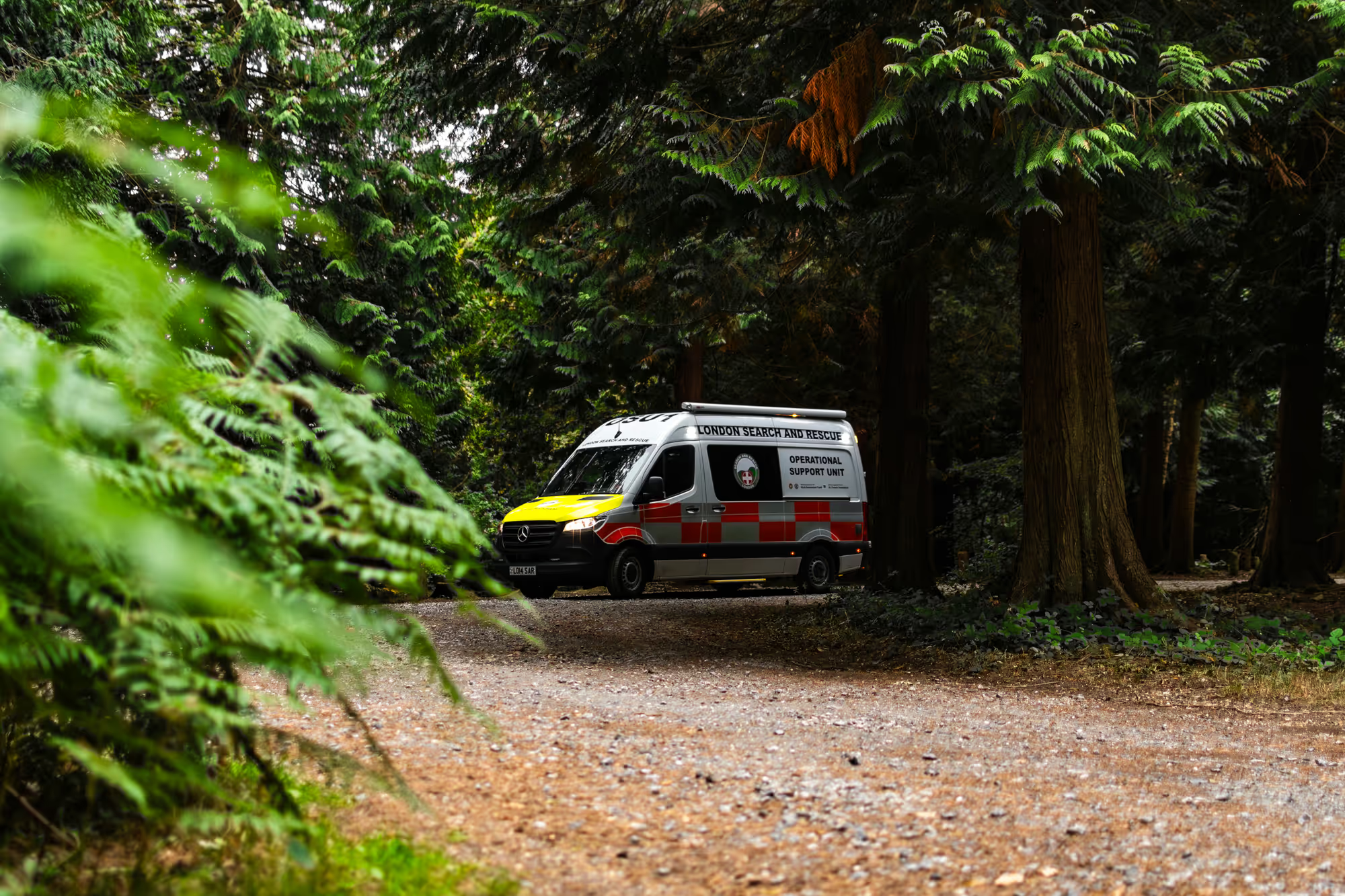
London Search and Rescue is deployed by Police Search Advisors (PolSAs), who lead search strategy for the Metropolitan and City of London Police.
When a search meets our criteria, the on-duty PolSA will contact our dedicated phoneline, which goes directly to our leadership team. From there, key details are taken and a callout notification is issued.
Trained Search Technicians that are on-call receive a text alert - a loud, cutting notification that bypasses silent settings - which allows them to confirm their availability within seconds. This instant feedback gives our Search Managers a live picture of team resources and helps identify whether specialist units like the paddlecraft and water teams, bike team or drone pilots may be required.
Once mobilised, our operational team members head to the designated RV (Rendezvous) point, where we co-locate with the police and begin coordinated search operations.
Throughout the search, we work side-by-side with PolSAs to ensure our efforts are strategic, focused, safe and as effective as possible.
.avif)
SEARCH %%OUTCOMES%%
You do not need to wait 24 hours. If you're worried about someone’s safety and can’t locate them, you should report them missing immediately.

IF THE PERSON IS FOUND ALIVE
When someone is found safe and well, the police must confirm their wellbeing with a "Safe and Well" check. This usually involves a face-to-face conversation, helping officers understand why the person went missing, whether they were harmed, and whether support is needed.
Adults are not in trouble for going missing, and their right to privacy is respected unless they are at risk. Children are also offered an independent “Return Interview” through local authorities to explore why they went missing and to help reduce future risk.
These steps are vital to ensuring safety, understanding causes, and supporting those who return.

IF THE PERSON IS FOUND DECEASED
In the tragic event that someone is found deceased, the police will secure the scene, preserving any evidence, and begin identifying the individual - sometimes using DNA, fingerprints, dental records, personal belongings, or visual confirmation to help with the identification process.
Once confirmed, the family is informed and usually supported by a dedicated Family Liaison Officer. Officers assess whether a crime has occurred and may refer the case to the coroner for further investigation. The case may also be escalated for internal review.
Above all, the goal is to ensure answers for the family and to handle the situation with care, dignity and transparency.

IF THE PERSON REMAINS MISSING
When someone remains missing long-term, the police continue to review the case at regular intervals - typically at 28 days, 3 months, 6 months, a year, and annually thereafter. These reviews ensure that any missed lines of enquiry are explored and that families stay informed throughout the investigations.
The level of police activity may reduce over time, but officers are expected to remain in contact and provide clear, compassionate updates. Families can request meetings and will usually be informed when reviews are planned to take place.
While not every force follows the same process, good practice means keeping families supported, informed and involved.
REACHING OUT FOR %%SUPPORT%%
When someone goes missing - or when you are thinking about going missing yourself - it can feel frightening, isolating and overwhelming. You don’t have to face that moment alone.
Whether you need emotional support, practical guidance or immediate help, there are safe, confidential services ready to listen and support you. The organisations below can offer reassurance, advice and a compassionate voice when you need it most.

MISSING PEOPLE
Missing People is a national charity offering 24/7 confidential support for anyone affected by someone going missing, or for those thinking of going missing themselves.




999
999 is the UK’s emergency number. It connects people to urgent police, ambulance, or fire support when someone is in immediate danger or at serious risk, including missing persons.

nhs 111
NHS 111 offers round-the-clock help for urgent health and mental health concerns, providing advice and connecting people to appropriate services when needed.

SHOUT
Shout is a free 24/7 text service for anyone in crisis. By texting 85258, people can get support from trained volunteers in real time, straight to their phones.

CALM
CALM offers free, confidential support to anyone struggling with life, particularly men at risk of suicide. They provide a helpline and webchat every day.

SAMARITANS
Samaritans offer a safe space to talk at any time. They support people in emotional distress or crisis, listening without judgement, day or night.

MIND
Mind is a mental health charity offering advice, support, and advocacy. They help people understand their mental health and find the right support.

PAPYRUS
Papyrus supports young people under 35 who are struggling with suicidal thoughts. They offer free, confidential support and advice for those at risk or concerned others.

CHILDLINE
Childline is a free, confidential service for anyone under 19 to talk about anything that's worrying them. Available 24/7, they offer phone and online support.
Join us in making a
Difference
Your support can help us find missing persons and bring hope to families in need.
.avif)